
What Separates Great Midstream Operators from the Rest
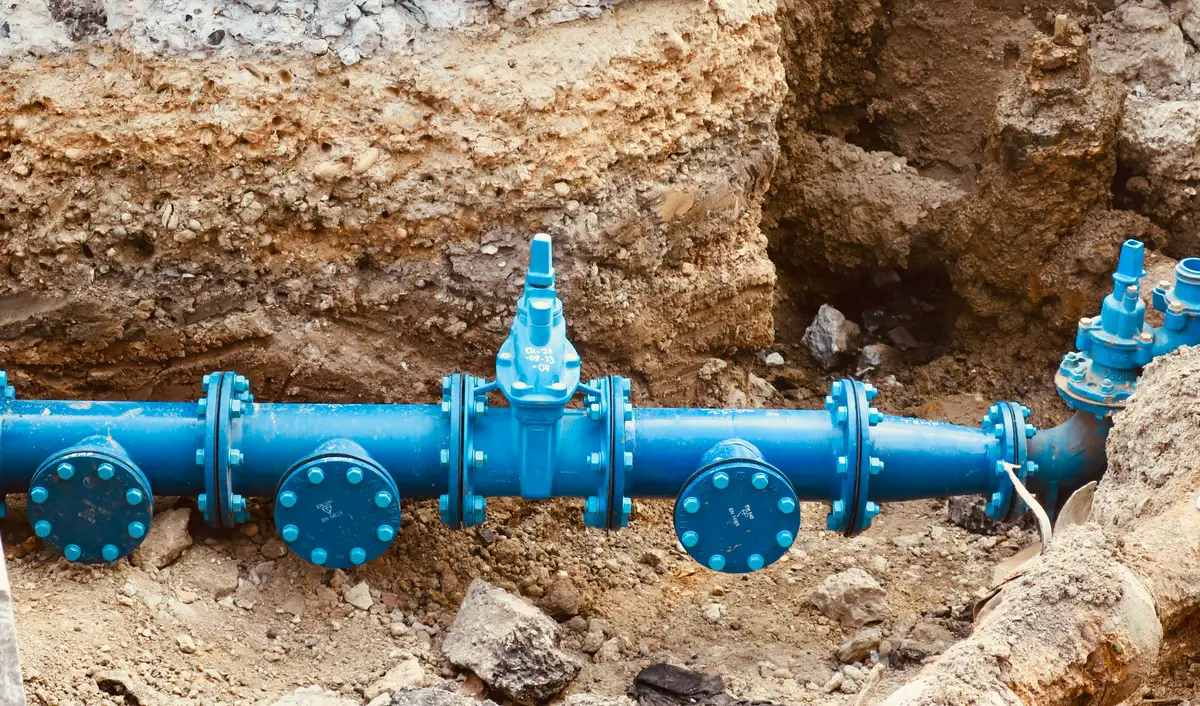
Tanks and pipes look alike on paper. Performance does not. Here is what customers and investors should examine when evaluating midstream assets and the teams that run them.
On paper, midstream assets can look interchangeable. A barrel of tankage is a barrel of tankage, a pipeline connection is a line on a map. In practice, the gap between a well-run facility and a poorly run one shows up everywhere: in uptime, in safety records, in product quality, and ultimately in what the asset is worth.
For customers deciding where to store product, and for investors deciding what infrastructure is worth owning, a few questions cut through the marketing.
Safety and Environmental Performance First
Nothing else matters if a facility cannot operate safely. Ask about recordable incident rates, spill history, mechanical integrity programs, and how inspection schedules are actually managed. Great operators treat compliance as a floor, not a ceiling, and they can show you the systems, not just the policies. In a market like California, with some of the most demanding regulatory standards in the world, that discipline is the price of staying in business.
Connectivity Is the Asset
The physical tank is only part of the value. What multiplies it is connectivity: marine berths and their draft, pipeline interconnections to refineries and third-party systems, truck racks, and rail where it matters. Every additional mode is another market the customer can reach and another way to keep product moving when one channel is disrupted. When evaluating an asset, map every direction a barrel can arrive from and depart to. Short lists should raise questions.
Flexibility Inside the Fence
Markets change faster than facilities do, so the best facilities are the ones built to adapt. Heated tanks that can handle heavy products and renewable feedstocks. Interconnected tankage that lets an operator segregate grades or consolidate them as needs shift. Blending capability that turns storage into a service rather than a parking space. Drain-dry designs that make product changeovers clean and fast.
The Team Behind the Tanks
Finally, evaluate the people. Experienced terminal operators carry decades of hard-won knowledge about their specific assets, their customers, and their regulators. High retention among operations staff, deep local relationships, and a track record of delivering projects on schedule tell you more about future performance than any brochure.
Midstream infrastructure rewards patient, disciplined ownership. The assets are long-lived, the barriers to replicating them are high, and the operational details compound over time. Customers and investors who look past the nameplate capacity to the questions above will find that the best operators are easy to recognize. They are the ones who welcome the scrutiny.