
Energy Infrastructure Has Never Mattered More
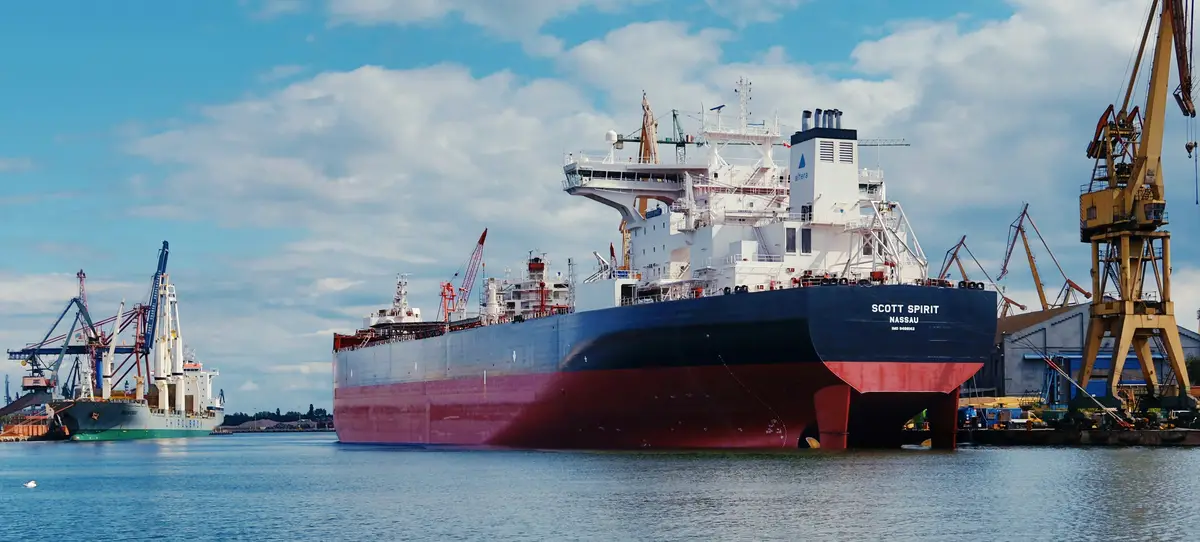
Storage and transportation assets rarely make headlines, but they are the quiet machinery behind stable fuel prices, resilient supply chains, and a functioning economy.
When people picture the energy business, they usually picture the ends of the chain: a drilling rig on one side, a gas pump or a jet engine on the other. The middle of the chain rarely gets a second thought. Yet the tanks, pipelines, marine berths, and truck racks that connect production to consumption are what determine whether energy is actually there when the economy needs it.
The last several years have been a running seminar on that point. Pandemic-era demand swings, geopolitical disruptions, extreme weather, and the rerouting of global trade have all sent shocks through energy markets. In every case, the regions that absorbed those shocks best were the ones with deep, flexible midstream capacity close to demand.
Storage Is the Shock Absorber
Storage does for energy markets what inventory does for any other supply chain: it buys time. When a refinery goes down for unplanned maintenance, when a cargo arrives early or late, when demand spikes with a heat wave or a harvest, tankage is what turns a potential shortage into a non-event.
That buffer has real economic value. Fuel price volatility lands hardest on the industries that can least avoid it, including agriculture, construction, aviation, and goods movement. Every barrel of well-placed storage capacity dampens that volatility for an entire region.
Location Does the Heavy Lifting
Infrastructure only provides that resilience if it sits in the right place. A terminal that connects deep-water marine berths, major pipelines, and local refineries can move product in whatever direction the market needs on a given day. That optionality is nearly impossible to replicate, because coastal industrial land with permits, dock access, and pipeline connectivity is a finite resource.
This is why markets like the Los Angeles basin depend so heavily on a small number of critical facilities. Millions of people and one of the largest port complexes in the world rely on infrastructure most of them will never see.
The Work Ahead
Energy systems are changing, and the fuels moving through terminals and pipelines are changing with them. What is not changing is the need for the physical network itself. Whatever the energy mix looks like in twenty years, it will still need to be stored, blended, and moved safely at scale. The companies that operate that machinery well are providing one of the most fundamental services in the modern economy.